
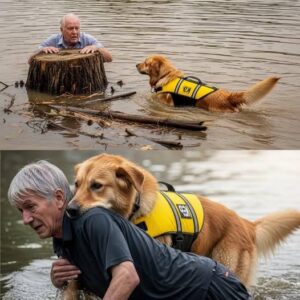
In the midst of freezing floodwaters, two elderly, mute brothers clung to driftwood, their survival uncertain until an unnamed stray dog found them. For six hours, this brave creature stayed by their side, offering warmth with his breath, never leaving or barking. His selfless act of compassion inspires us to explore how to save lives naturally, using emotional connection, gentle care, and instinctual support to foster hope and resilience. In my opinion, this dog’s unwavering vigil shows that natural, heartfelt actions can make a profound difference in dire situations, offering lessons for us all.
Emotional Bonds to Save Lives Naturally
The stray dog’s silent watch over the brothers highlights the power of emotional presence. To save lives naturally, fostering connection is key—whether through companionship or simply being present. I believe moments of quiet support, like the dog’s steadfast presence, can reduce fear and instill hope. Encouraging visits from loved ones or therapy animals in crisis settings, like hospitals or shelters, provides comfort without medical intervention. Gentle gestures, such as a reassuring touch or calm presence, mirror the dog’s warmth, helping individuals feel seen and supported in their darkest moments.
Gentle Care to Save Lives Naturally
The dog’s act of sharing body heat reflects the importance of gentle, instinctive care. To save lives naturally, prioritize basic needs like warmth and safety, especially in emergencies. Providing blankets, warm drinks, or a sheltered space can stabilize someone in distress, much like the dog’s breath sustained the brothers. I think simple, natural remedies—like herbal teas such as chamomile to calm nerves—can support recovery when medical resources are limited. Always consult professionals when possible, but these gentle measures, inspired by the dog’s care, offer immediate relief and foster resilience.
Instinctual Support to Save Lives Naturally
The stray dog’s choice to stay, despite no training or reward, shows the power of instinctual compassion. To save lives naturally, tap into intuitive acts of kindness, like checking on vulnerable neighbors during crises or offering a listening ear. Community support groups or volunteer networks can replicate this instinct by providing aid without complex systems. In my view, small, heartfelt actions—like sharing food or warmth—echo the dog’s vigil and can sustain life until professional help arrives. These natural instincts, applied consistently, create a safety net for those in need.
The stray dog’s six-hour vigil, warming two brothers against floodwaters, proves that love from unexpected places can save lives. Through emotional bonds, gentle care, and instinctual support, we can save lives naturally. From my perspective, this dog’s compassion teaches us to act with heart in any crisis. If you encounter someone in need, connect with local aid groups or authorities for support. With simple, natural acts of kindness, we can mirror the stray dog’s heroism, bringing hope and survival to those facing the darkest times.