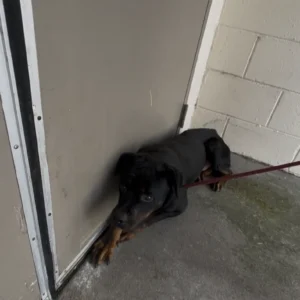

On a chilly, rain-soaked evening in late 2025, Maya stumbled upon a heart-wrenching sight near her apartment—a frail dog shivering beside a dumpster. His matted fur clung to his emaciated frame, ribs protruding, and his eyes mirrored a soul battered by neglect.
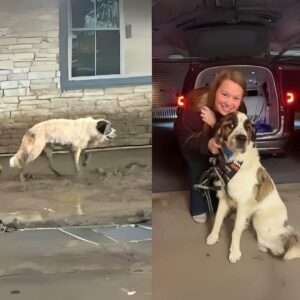
This silent figure, too weak to bark, seemed resigned to his fate—until Maya’s compassion intervened. Unprepared for pet ownership with her busy schedule and modest flat, she couldn’t ignore his pleading gaze, naming him Hope on the spot.
Bringing Hope home marked the start of an emotional journey. Wrapped in a towel with leftover chicken as bait, he entered her life hesitantly, flinching at sudden noises and refusing food for days. His nighttime whimpers spoke of past trauma, yet Maya’s unwavering dedication—gentle whispers, hand-fed meals, and a bedside vigil—began to heal him. Weeks turned into a breakthrough as Hope’s tail wagged, his toys appeared at her feet, and he sought her lap during storms, reclaiming the joy stolen by hardship.
Now, Hope’s transformation is astounding. His once-dull coat shines with health, and his playful energy fills Maya’s home. This rescue, likely a small mixed breed, thrives on love, echoing a broader trend—over 2 million dogs are adopted annually in the U.S., per the ASPCA, many from dire straits like Hope’s. Veterinary care, a balanced diet, and patience were key, turning him into Maya’s shadow and a beacon of resilience.
But the story runs deeper. Hope didn’t just recover; he enriched Maya’s life, breaking the monotony with boundless affection. This mutual rescue highlights the power of adoption, especially for strays facing euthanasia risks, with shelters reporting over 390,000 such cases yearly. Ready to change a life? Hope’s tale proves it’s possible.