
In a tale that defies nature’s odds, a tiny squirrel named Bella has forged an extraordinary bond with her rescuers in Greenville County, South Carolina, returning to their doorstep for seven years.
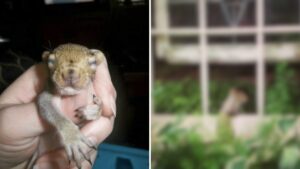
Discovered at just four weeks old, battered by an owl attack, Bella’s survival hinged on the swift action of wildlife volunteer Brantley Harrison and his family. Her frail body, marked by severe injuries, found refuge with them, where she thrived alongside three other squirrels—Curly, Moe, and Larry—nurtured with fruits, nuts, and tender care in an outdoor haven.
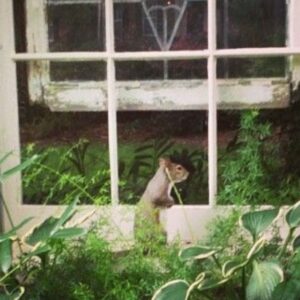
Released into the wild when strong enough, Bella’s story took a surprising turn. Unlike her companions who ventured off, she lingered, revisiting Brantley’s home within days for treats. Her persistence evolved into a ritual—perching at the front door or peering through the dining room window, a behavior that has enchanted the family.
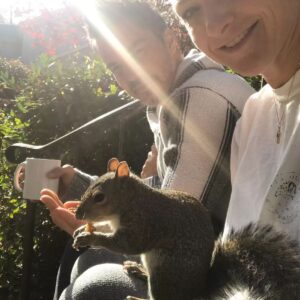
Now a regular visitor, this agile creature scales shoulders and enjoys nuts, embodying a trust rarely seen in wildlife. Once, injured again, she returned pregnant, birthing three babies under Brantley’s watchful eye, a cycle of care that deepened their connection.
This heartwarming saga highlights wildlife rehabilitation’s impact. The National Wildlife Rehabilitators Association notes over 200,000 animals are aided annually in the U.S., with species like squirrels often released yet rarely maintaining human ties like Bella. Her story challenges the notion of wild independence, suggesting gratitude or familiarity drives her loyalty. Maintaining a safe outdoor space and minimal human feeding, as experts advise, sustains such bonds without dependency.
Bella’s journey inspires a rethink of human-animal relationships. Her resilience and return offer a lesson in compassion’s reach. Curious about fostering such connections? Her tale is a testament to love’s enduring power.