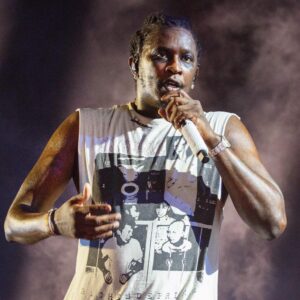

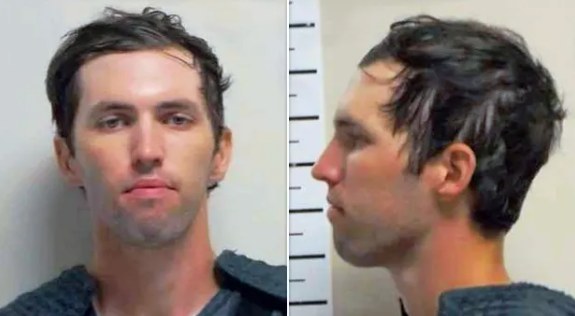
On September 10, 2025, conservative activist Charlie Kirk was fatally shot during a Turning Point USA rally at Utah Valley University (UVU) in Orem, Utah. The alleged perpetrator, identified as 22-year-old Tyler Robinson, has been named by authorities as the shooter. Robinson, a young man with a documented fascination with firearms and ties to a conservative community, confessed to the crime, citing personal dislike for Kirk. This article explores Robinson’s background, the circumstances of the shooting, and its implications, based on the latest reports.
Who Is Tyler Robinson?
Tyler Robinson, a 22-year-old white male from Utah, was identified on September 12, 2025, as the alleged killer of Charlie Kirk. Raised in a Mormon family, Robinson is the son of Matt Robinson, a 27-year veteran of the Washington County Sheriff’s Department, and Amber Robinson, who works for Intermountain Support Coordination Services, assisting people with disabilities.
Social media posts from Robinson’s family, obtained by the Daily Mail, reveal a childhood marked by an obsession with guns. From a young age, Robinson frequently visited shooting ranges and was photographed handling firearms. Notably, he once wore a Donald Trump costume, suggesting an alignment with conservative ideals, which has complicated narratives surrounding the attack.
The Shooting at Utah Valley University
The shooting occurred during a Q&A session at Kirk’s “American Comeback Tour” event at UVU. Robinson allegedly fired a single shot from a rooftop approximately 200 yards away, using a high-powered, bolt-action rifle. The bullet struck Kirk in the neck, leading to his death shortly after. The precision of the shot indicates Robinson’s familiarity with firearms, consistent with his documented history as a gun enthusiast.
Following the attack, Robinson fled the scene but later surrendered to authorities after confessing to his father, Matt Robinson. In his confession, he reportedly stated that his motive stemmed from a personal dislike for Kirk, though specific details about his grievances remain unclear.
Investigation and Evidence
The FBI and Utah Department of Public Safety are leading the investigation, which has uncovered significant evidence:
-
Weapon Recovery: A high-powered, bolt-action rifle was found in a wooded area near UVU, believed to be the murder weapon.
-
Forensic Evidence: Investigators collected a footwear impression and a forearm imprint from the rooftop, aiding in identifying Robinson as the suspect.
-
Security Footage: CCTV footage captured a figure in dark clothing on the Losee Center rooftop, corroborating Robinson’s presence at the scene.
Robinson’s surrender and confession have expedited the investigation, though authorities continue to explore whether additional factors or accomplices were involved.
Community and Political Reactions
The identification of Robinson as the alleged shooter has stunned both conservative and liberal communities. Initial speculation from some conservative figures, including MAGA supporters, pointed to “radical left” involvement. However, Robinson’s background as a Mormon, gun enthusiast, and son of a retired sheriff has shifted the narrative, revealing the attack as originating within a conservative community. This revelation has sparked discussions about internal divisions and the complexities of political violence.
Utah Governor Spencer Cox called the incident a “political assassination” and vowed justice, while President Donald Trump described Kirk as a “martyr for truth.” Leaders across the political spectrum, including former Presidents Barack Obama and Joe Biden, condemned the attack, emphasizing the need to address escalating political violence.
Context of Political Violence in the U.S.
The killing of Charlie Kirk is part of a troubling rise in political violence in the United States. Recent incidents include assassination attempts on Donald Trump, an attack on Paul Pelosi, and the murder of Minnesota state lawmaker Melissa Hortman. Robinson’s case highlights the unpredictability of such acts, as his conservative upbringing and apparent support for Trump challenge assumptions about ideological motives.
Implications and Ongoing Questions
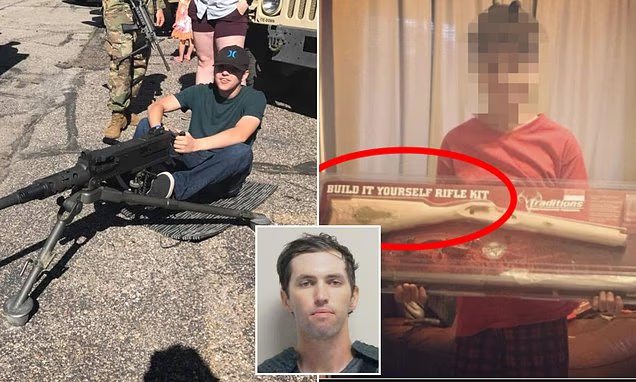
Robinson’s confession and surrender provide some clarity, but questions remain about his precise motivations and whether external influences contributed to his actions. His obsession with guns and familiarity with shooting ranges underscore broader concerns about firearm access and mental health. The incident has also prompted renewed calls for unity and dialogue to address the root causes of political violence.
Conclusion
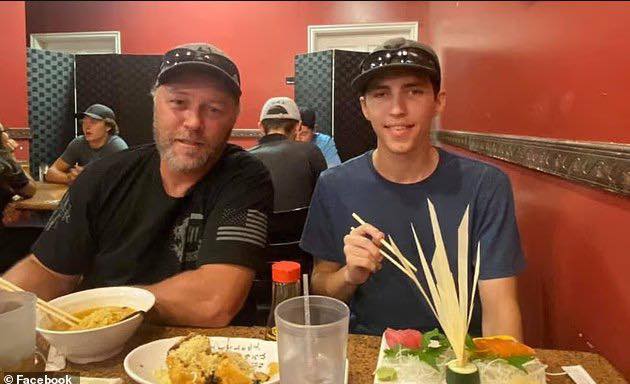
Tyler Robinson, a 22-year-old gun enthusiast with ties to a conservative community, has been identified as the alleged killer of Charlie Kirk. His confession to his father and subsequent surrender have shed light on a shocking act that has reverberated across the nation. As the investigation continues, the tragedy serves as a stark reminder of the challenges facing a polarized society and the urgent need to confront political violence.