
A routine call turned into a life-threatening act of heroism when Sunshine Volunteer Fire Department (SVFD) Fire Chief Steven Hatfield risked his life to rescue a stranded dog trapped in a freezing culvert. The fire chief was later treated for hypothermia after spending over 30 minutes submerged in icy water to save the animal.
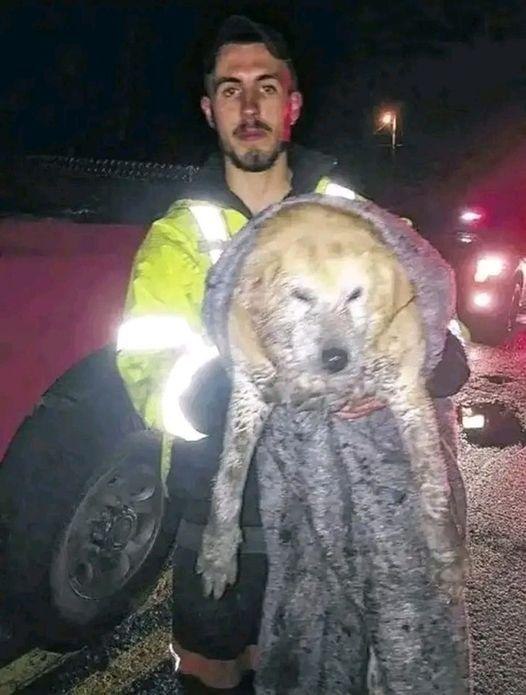
The incident unfolded in the Bardo community of Harlan County, where residents reported desperate cries from a dog stuck beneath the road. Locals had tried to reach the terrified animal but were unable to free her from the narrow, flooded culvert.

When SVFD arrived, Chief Hatfield immediately entered the freezing water, navigating the slippery and confined space. The dog, wedged deep inside, remained just out of reach as rushing water threatened her survival.
Despite the dangerous conditions, Chief Hatfield persevered for more than half an hour, fighting the cold in his determination to rescue the trapped dog. His efforts were soon joined by Brandon Gilbert of the Harlan County Rescue Squad, who was ultimately able to grasp the animal and pull her to safety.
The rescue was successful, but not without sacrifice—Chief Hatfield was treated for hypothermia after prolonged exposure to the frigid water.
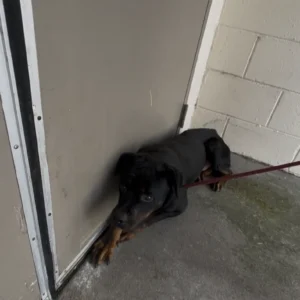
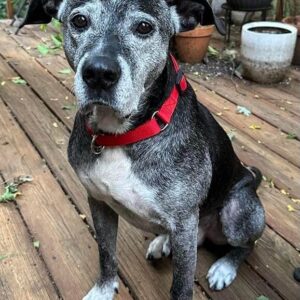
The dog, now named Grace, was transported to the Harlan Animal Shelter. Though cold, wet, and exhausted, she survived thanks to the courage and compassion of those who refused to give up on her.

Animal welfare group Safe Hands Rescue, based in Minnesota, has pledged to cover all of Grace’s medical care and rehabilitation. Once she has fully recovered, she will be placed for adoption, giving her the second chance she deserves.
Local residents and dog lovers nationwide have praised Chief Hatfield’s actions as nothing short of heroic. But in his own words, he remains humble:
“I didn’t do anything special,” Hatfield said. “She needed help, and I was able to give it. That’s what we’re here for.”
This story of heroic animal rescue in Kentucky is a reminder of the extraordinary lengths first responders go to—not only for people, but for the animals who depend on us for survival.